Gender Based Violence Research Group
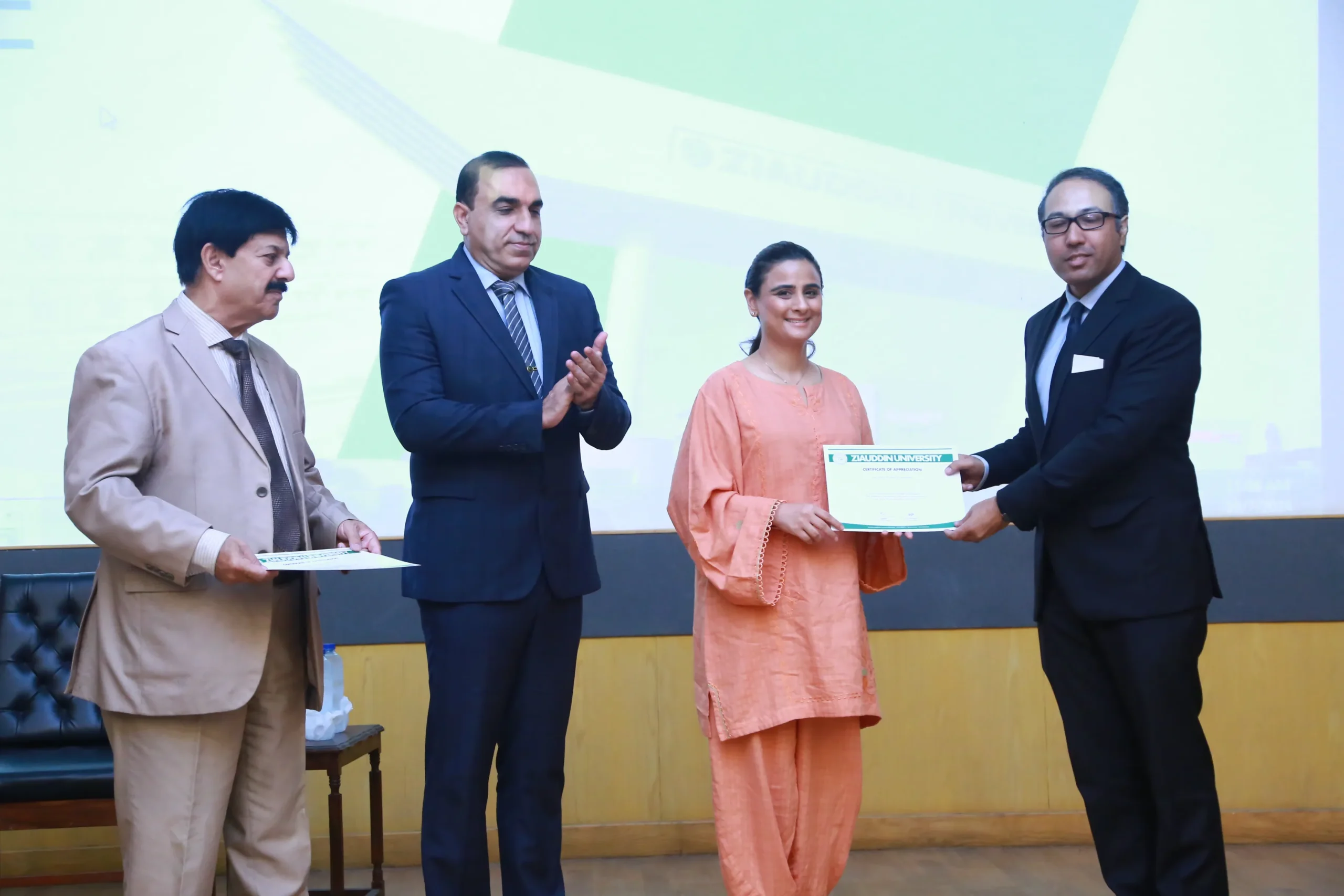
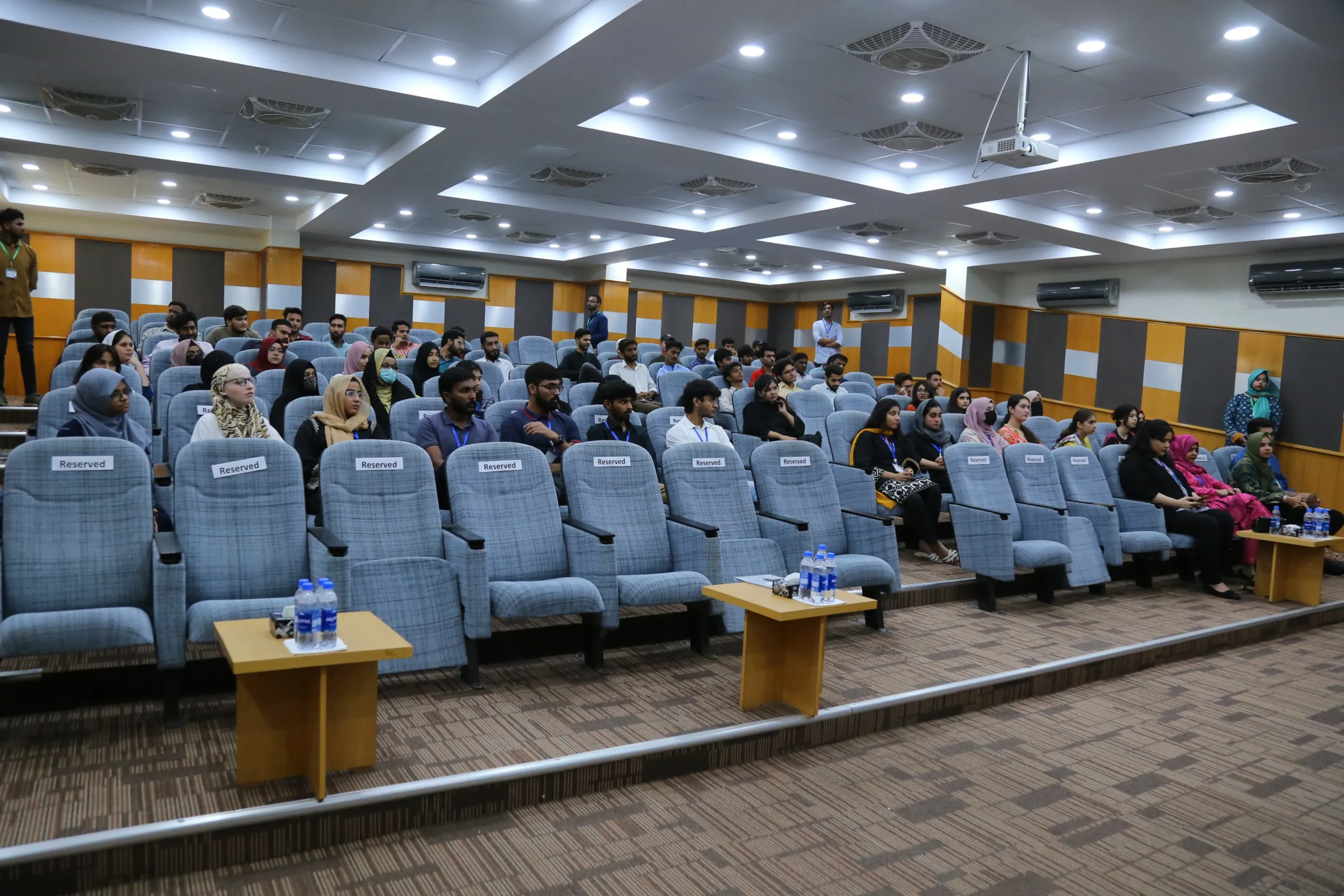
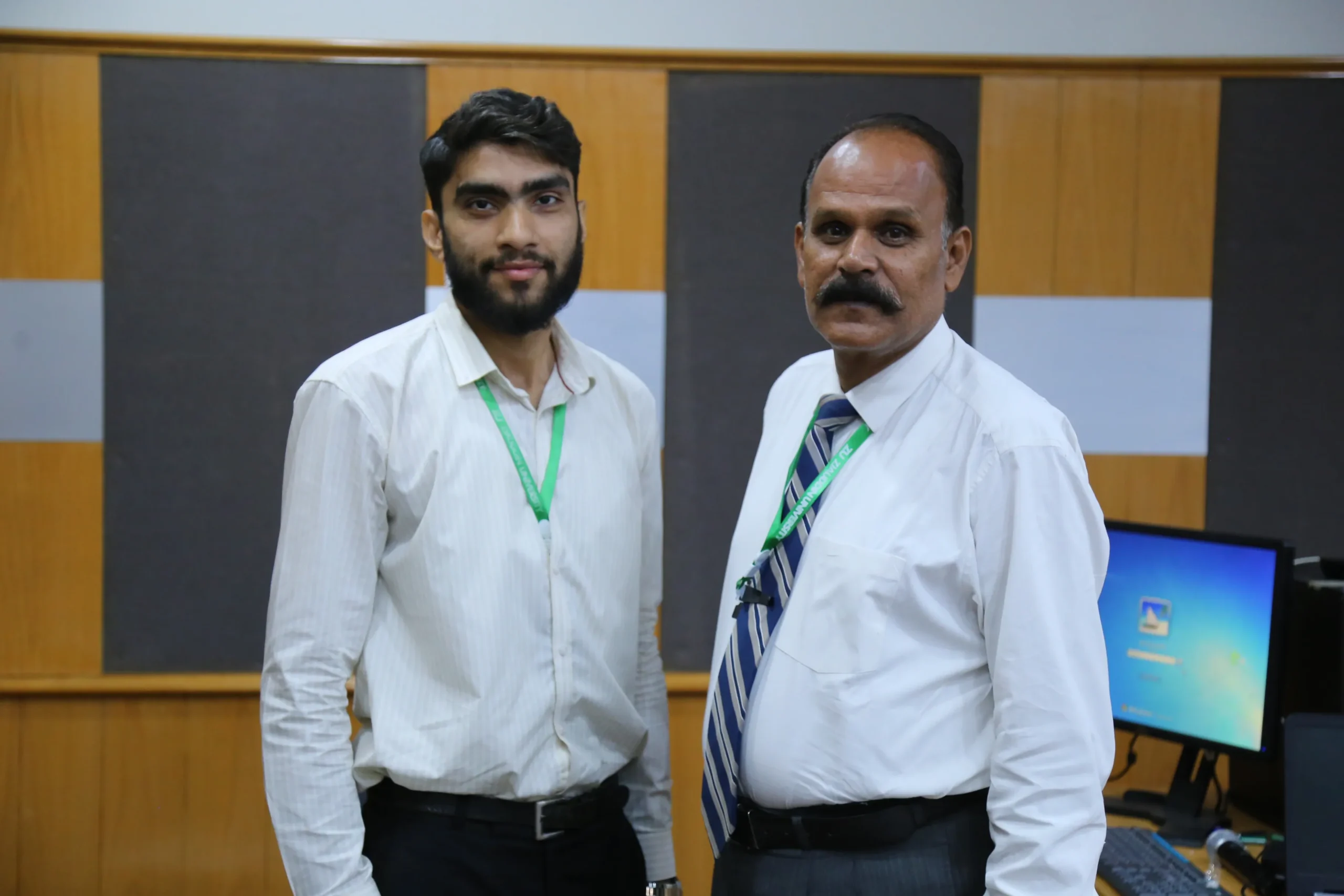
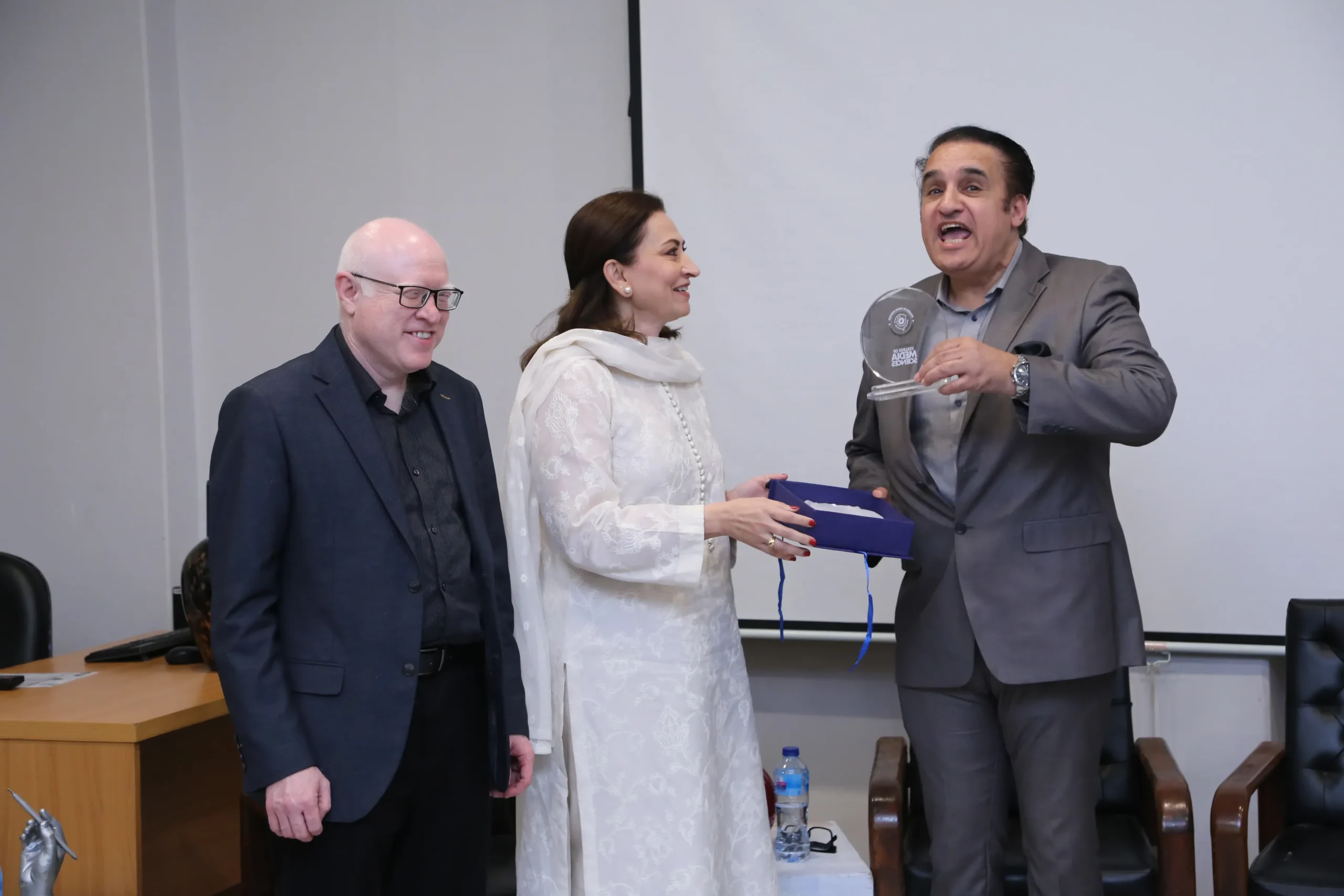
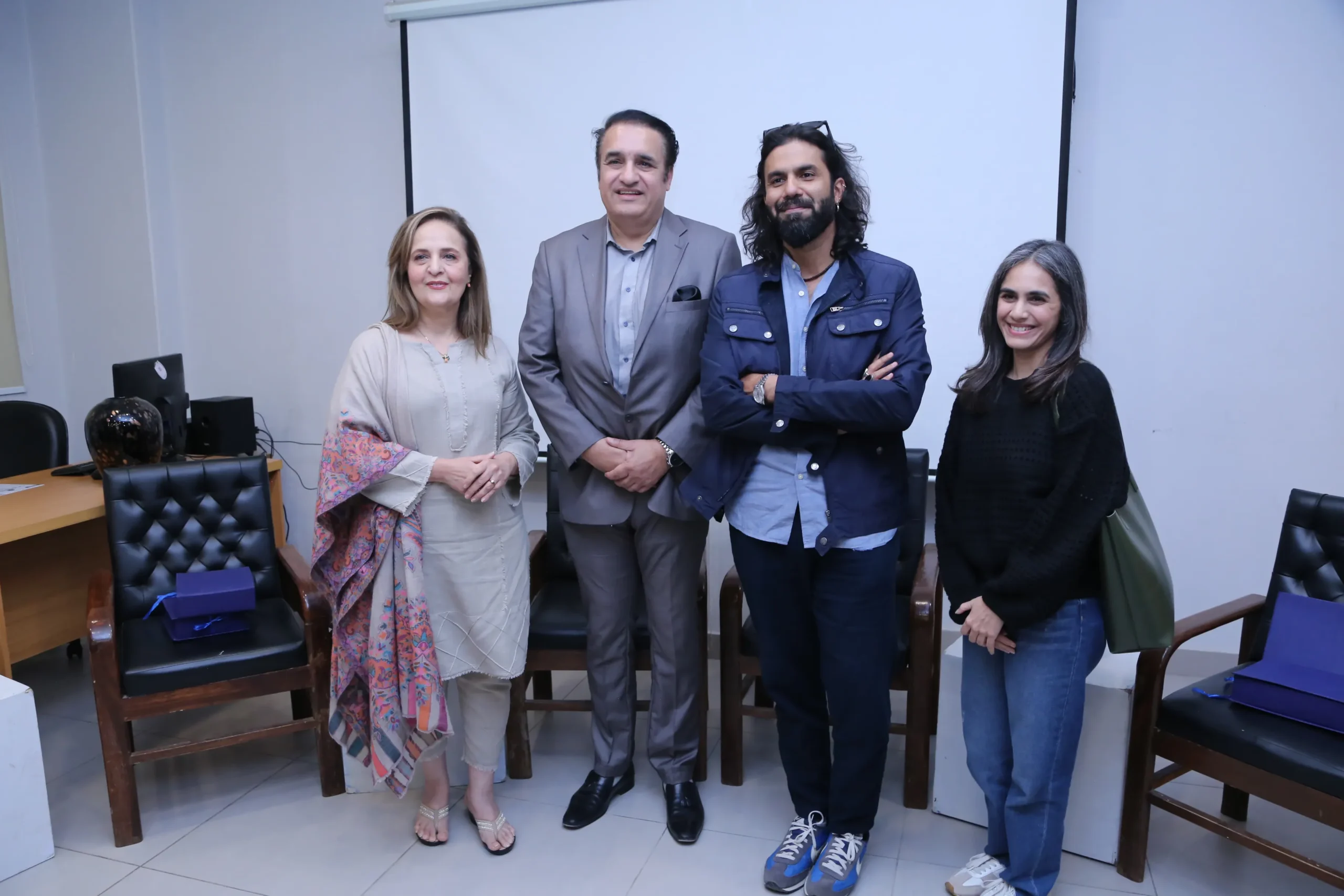
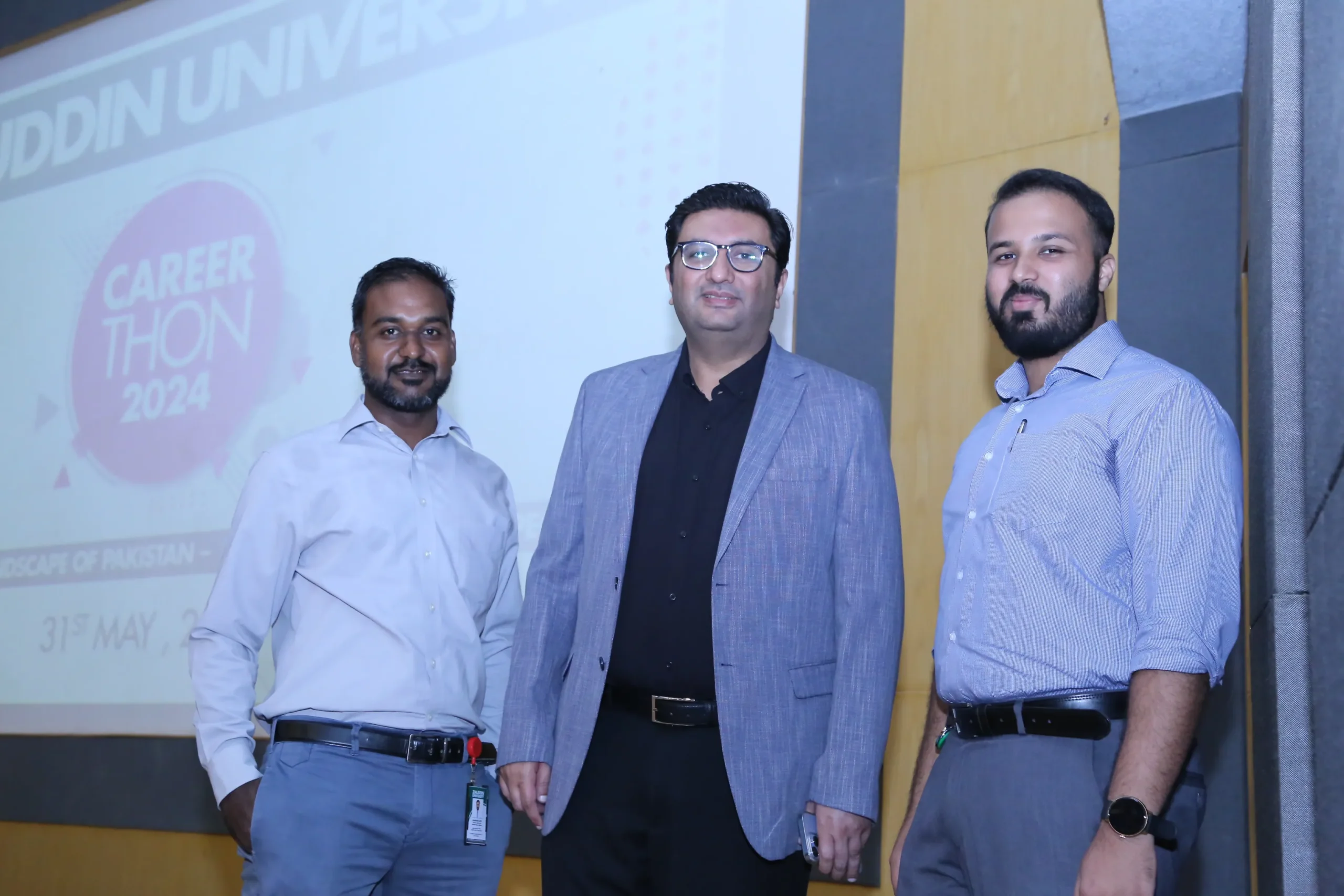
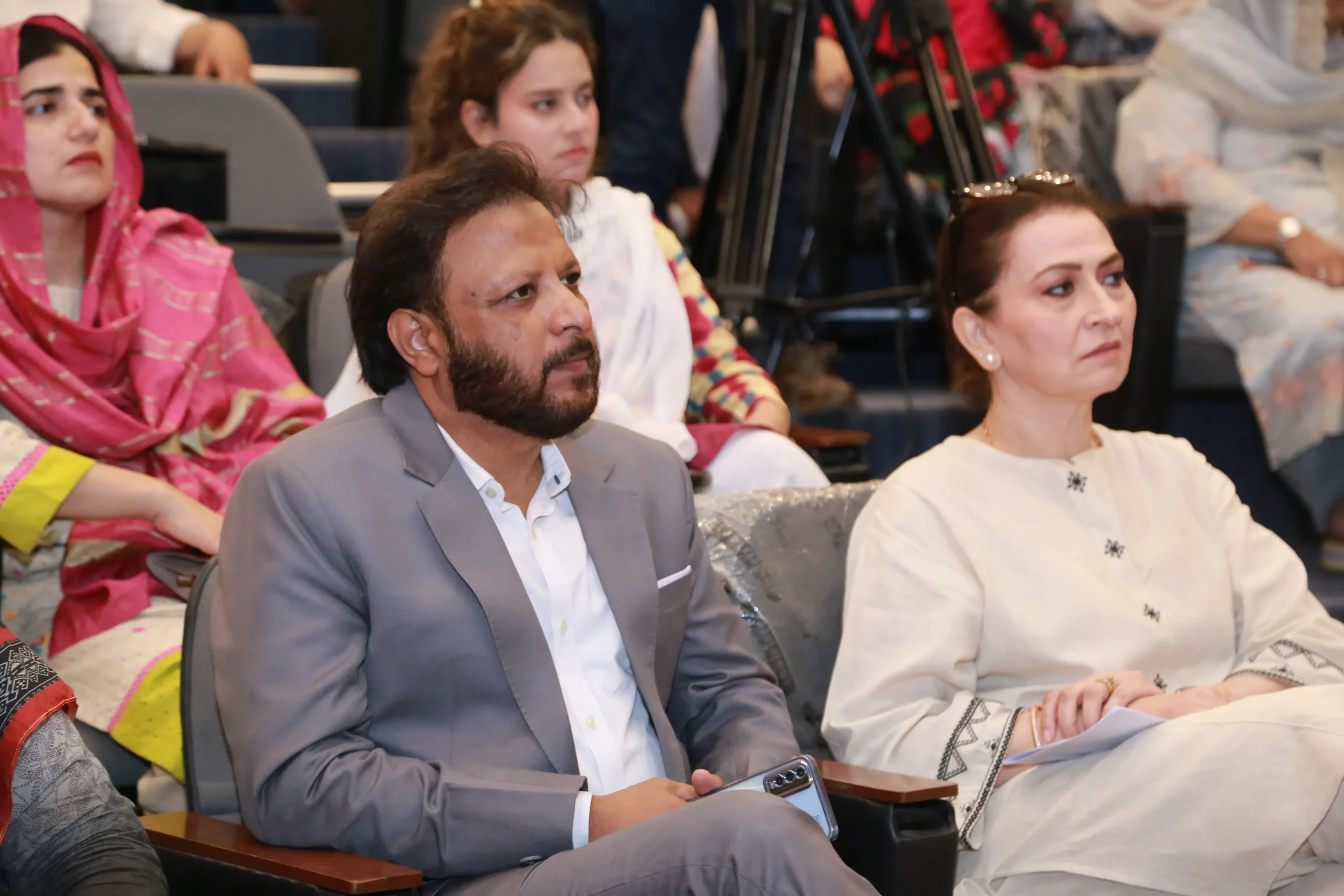
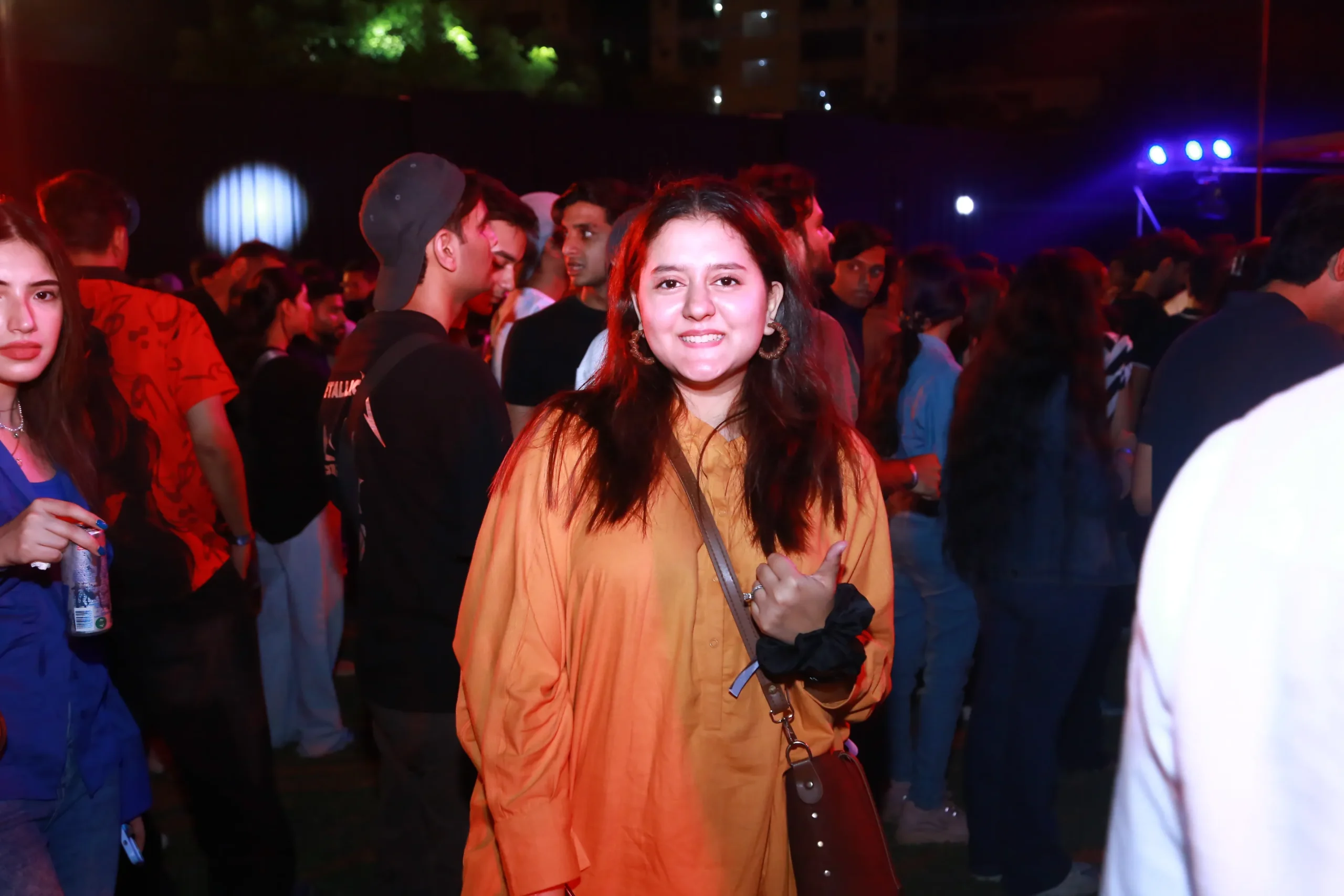
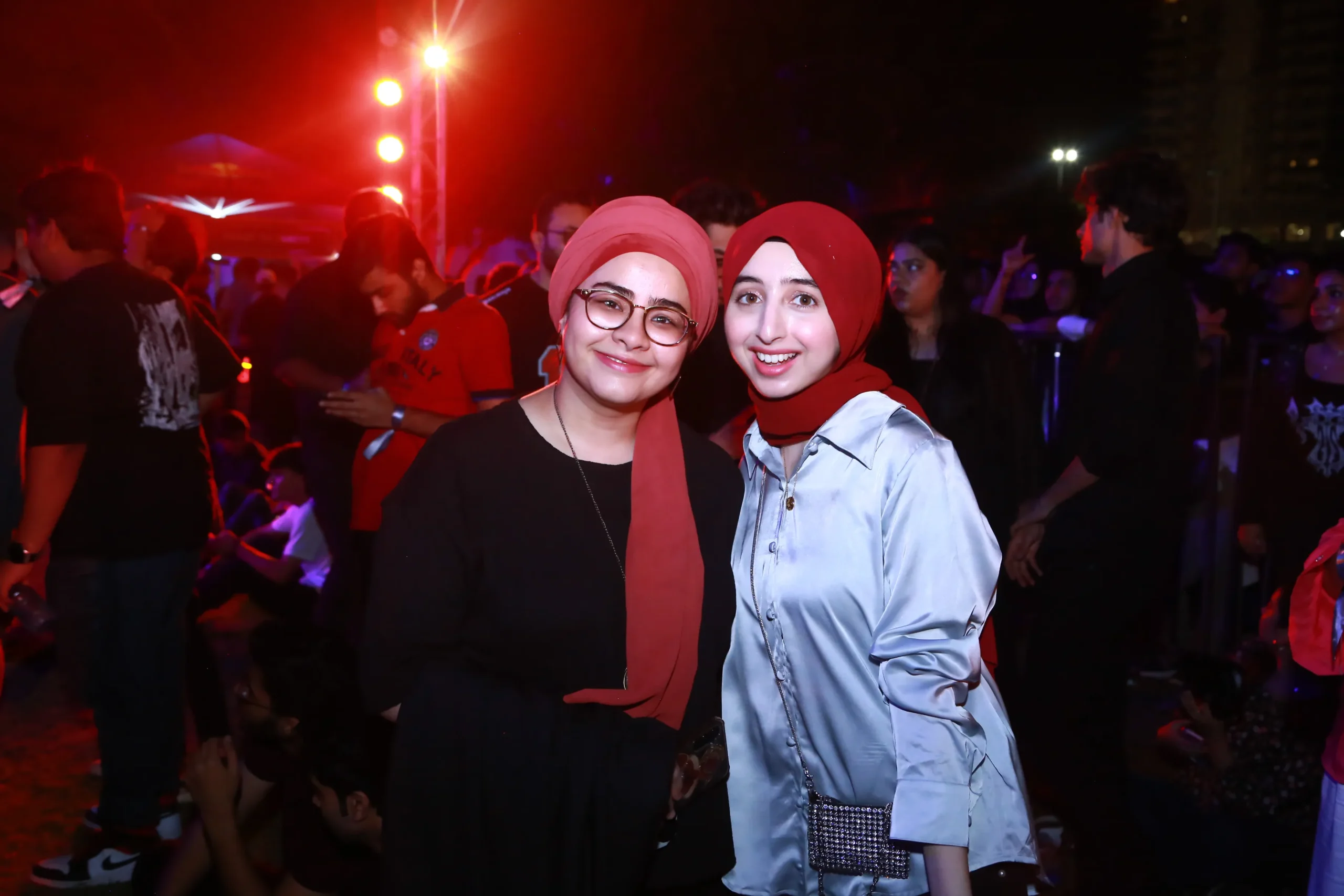
MoU Signing – Ziauddin University x FOSPAH
Ziauddin University signed MoU with the Federal Ombudsman Secretariat for

The Gender-Based Violence Research Group (GBVRG) at Ziauddin University is a multidisciplinary academic collective dedicated to the rigorous study, prevention, and mitigation of gender-based violence (GBV) within Pakistan and the broader South Asian region. Established at one of Pakistan’s leading private universities, the group brings together researchers, clinicians, educators, and community practitioners from across disciplines, including medicine, nursing, public health, psychology, social work, law, and the social sciences.
Gender-based violence, encompassing intimate partner violence, sexual violence, domestic abuse, forced marriage, economic coercion, and harmful traditional practices, remains a profound public health, human rights, and social justice challenge in Pakistan. It cuts across class, geography, religion, and ethnicity, disproportionately affecting women, girls, and gender-diverse individuals, and leaving deep and lasting consequences for survivors, families, and communities.
The GBVRG at Ziauddin University responds to this urgent need by generating evidence that is theoretically rigorous, ethically grounded, and directly actionable. We are committed to research that does not remain confined to academic journals but actively bridges scholarship and practice, informing policy reform, strengthening service delivery, and amplifying the voices of survivors.
Our work is guided by a feminist understanding of gender and power, an intersectional lens that recognises how social markers such as class, ethnicity, disability, and geography shape vulnerability and resilience, and a deep commitment to the safety and dignity of both research participants and researchers. We draw on mixed methodologies, including qualitative, quantitative, and community-based participatory approaches to capture the complexity of GBV in local and national contexts.
The group fosters collaboration with civil society organisations, government agencies, UN bodies, healthcare systems, and international academic partners, recognising that no single discipline or institution can address GBV alone. By anchoring our research within Ziauddin University’s strong clinical and community health infrastructure, we are uniquely positioned to connect evidence with care.
A Pakistan and a region where every person lives free from gender-based violence: where survivors are heard, supported, and protected; where systems respond with competence and compassion; and where research drives the social, policy, and cultural change necessary to uproot the structural conditions that allow violence to persist.
The mission of the GBVRG at Ziauddin University is to produce high-quality, contextually relevant, and ethically grounded research on gender-based violence that informs evidence-based policy, strengthens prevention and response systems, and contributes to the elimination of all forms of GBV in Pakistan and the South Asian region.
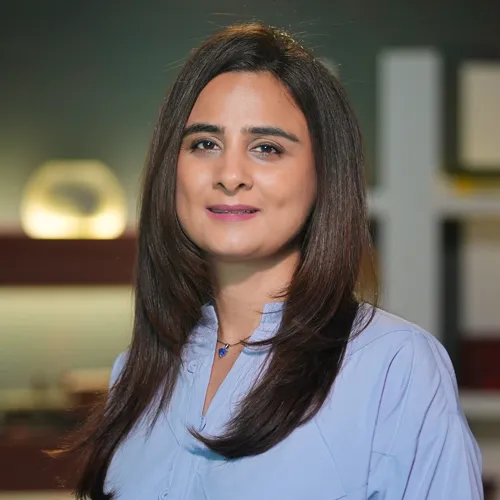
Dr. Nida Hussain is a senior academic leader who serves as Pro-Chancellor and President of Ziauddin University, Karachi. In her role as Chairperson of the Gender-Based Violence Research Group, she provides strategic oversight and institutional direction to the group’s research agenda, ensuring that its work remains grounded in academic rigour, ethical responsibility, and a commitment to real-world impact.

Rahima Tahir is a public health researcher at Ziauddin University. As Co-Chairperson of the GBVRG, she oversees the group’s day-to-day research operations, external partnerships, and grant development. She leads the identification and pursuit of national and international funding opportunities, manages research documentation and donor compliance, and coordinates with partner institutions and stakeholder organisations to support project implementation. Rahima also steers the group’s dissemination strategy, ensuring that research findings reach policymakers, practitioners, and the wider academic community.

Dr Shahkamal Hashmi is a public health specialist and Principal of the College of Public Health at Ziauddin University. His work spans mental health, trauma-informed care, and survivor-centred approaches to public health, with a particular focus on understanding and responding to the psychological consequences of gender-based violence.
Within the GBVRG, Dr Hashmi leads the group’s mental health and trauma-informed research design, ensuring that all studies involving survivors are conducted with appropriate ethical sensitivity and psychological safeguards. He provides expertise in developing survivor support frameworks that inform how the group engages with research participants, interprets findings, and translates evidence into care-oriented recommendations. His contributions ensure that the GBVRG’s research goes beyond documenting the prevalence of violence to meaningfully addressing its impact on the mental health and well-being of those affected.

Ahsan Qazi is a legal professional and Director of the Centre for Law and Policy at Ziauddin University. His expertise spans institutional legal frameworks, policy development, and the legislative landscape governing gender-based violence in Pakistan, including the Protection Against Harassment of Women at the Workplace Act 2010 and related national and provincial legislation.
Within the GBVRG, Ahsan serves as the group’s Legal Advisor, bringing critical legal rigour to its research and advocacy work. He leads the review of institutional policies and legal compliance frameworks, assessing the extent to which universities and organisations meet their obligations under national law. He provides legal guidance on survivor rights and support mechanisms, ensuring that the group’s recommendations are not only evidence-based but also legally sound and actionable. He also drives the group’s legislative and policy reform advocacy, working to translate research findings into concrete proposals for strengthening Pakistan’s legal protections against gender-based violence at the institutional and national level.

Public Health Specialist, Gender Based Violence Research Group
Associate Professor at the College of Public Health, Ziauddin University
Dr. Farhana Shahid is a public health specialist and Associate Professor at the College of Public Health, Ziauddin University. Her work focuses on women’s empowerment, gender equality, and health systems strengthening, with a particular interest in improving the health and well-being of vulnerable women and underserved populations.
Within the GBVRG, Dr. Shahid contributes expertise in maternal and reproductive health, gender-responsive public health programming, and community-based research. Her work emphasizes understanding the intersection of gender inequality, violence, and maternal health outcomes, while promoting evidence-based approaches that strengthen women’s agency and access to quality healthcare services. Through her contributions, the GBVRG advances research and policy recommendations that support safer, more equitable, and empowering environments for women and girls.

Bushra Fahim is a Research Assistant at the Gender-Based Violence Research Group, Ziauddin University. She supports the day-to-day execution of the group’s research projects, contributing to fieldwork coordination, data collection, and stakeholder engagement activities. Her core responsibilities include conducting quantitative and qualitative data analysis, managing research datasets, and assisting in the preparation of research reports and publications. Bushra works closely with the group’s principal investigators to ensure that projects are implemented on time and in accordance with established research protocols, playing an integral role in translating the group’s research objectives into ground-level outcomes.

Dr Philippe Liotard is an international and european expert in gender-based violence, non-discrimination, and inclusion, based at the University of Lyon 1, France. His work spans GBV policy frameworks, institutional responses to violence, and the development of inclusive and equitable academic environments, with extensive experience leading and advising comparative research across European and international higher education contexts.
As International Advisor to the GBVRG, Dr. Liotard provides the group with global perspective and expert guidance on GBV research methodologies, policy standards, and best practices. He leads the international benchmarking component of the group’s research, supporting the assessment of how institutional practices and legal frameworks in Pakistan compare against international norms and standards. His advisory role ensures that the group’s work is informed by the most current global evidence on GBV prevention and response, and that its findings and tools are designed with cross-national applicability in mind. His collaboration with the GBVRG reflects the group’s commitment to situating its work within a wider international conversation on gender equality and institutional accountability.
Funding Body: Association of Commonwealth Universities (ACU)
Grant Amount: £1,500
Duration: January 2023 – December 2023
The SAFE (Sexual Assault Free Environment) Project was a collaborative initiative led by Ziauddin University in partnership with the Association of Commonwealth Universities (ACU), the Martha Farrell Foundation, UNDP Pakistan, and the Sindh Higher Education Commission. The project aimed to combat sexual harassment in higher education institutions across Sindh by raising awareness, strengthening institutional policies, and improving reporting mechanisms. Through a stakeholder consultation, a survey of 800 respondents across 25 universities, a capacity-building workshop, and a final policy colloquium, the project generated critical evidence on the prevalence and nature of harassment in academic settings and produced actionable recommendations to foster safer, more inclusive university environments across Pakistan.
Funding Body: Sexual Violence Research Initiative (SVRI)
Grant Amount: 99,280 USD
Duration: April 2025- Ongoing
This study builds on Ziauddin University’s SAFE Project to conduct the first provincial assessment of anti-harassment policy effectiveness across STEM and non-STEM higher education institutions in Sindh. Using a mixed-methods approach, the research will analyse five years of harassment case data from the national FOSPAH database, conduct surveys with students, faculty, and staff across 25 universities, and undertake in-depth interviews with survivors to examine reporting barriers, institutional trust, and the lived experiences of GBV in academic settings. The study will compare institutional practices against international standards in collaboration with Dr. Philippe Liotard of the University of Lyon, France, and will culminate in the development of a Digital Institutional Self-Assessment Tool and a Best Practice Framework for Harassment-Free Higher Education Institutions. Findings will directly inform policy reform at the national level through established partnerships with the Higher Education Commission (HEC) and FOSPAH.
Tahir, R., Umrani, Z., & Fahim, B. (2025). Building Harassment-Free Universities: The SAFE Project Experience in Pakistan. Available at SSRN 5310535. https://papers.ssrn.com/sol3/papers.cfm?abstract_id=5310535
Tahir, R., Fahim, B., Liotard, P., & Umrani, Z. A. (2025). Storms of Inequality: The Impact of Climate Change on Gender-Based Violence. AL-JAMEI Research Journal, 2(03), 225-239. https://irjahss.com/index.php/ir/article/view/173?articlesBySameAuthorPage=12


Ziauddin University signed MoU with the Federal Ombudsman Secretariat for